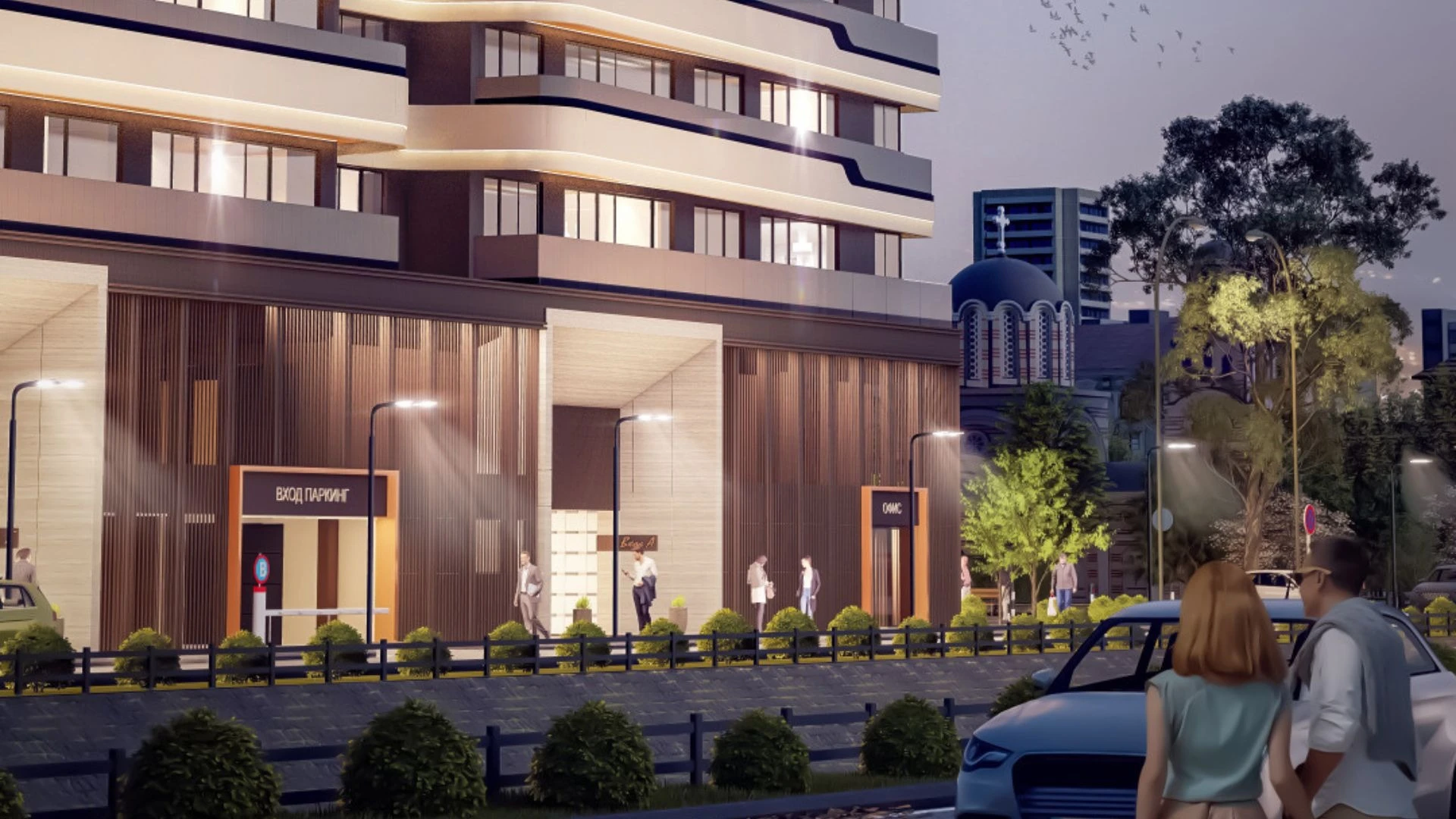
Renting Out an Apartment in Central Sofia in 2026: Lease Agreement, Rental Tax, Deposit, Risk Management
Rent in Central Sofia in 2026: Yield Versus Risk and Empty Months
Central Sofia rents look predictable on paper, but the risk profile is different from outer districts. The same address that attracts stable tenants can also bring faster turnover, higher expectations, and more frequent complaints from neighbours, especially in buildings with strict internal rules.
A realistic view starts with three numbers you should track from day one:
-
Net rent after vacancies, not the advertised rent
-
Annual repair reserve as a fixed cost, even in months with no tenant
-
Average time to find a new tenant in your exact micro area, not in Sofia as a whole
Typical tenant profiles in the city centre
Office employees and managers
They want quiet at night, reliable heating and cooling, fast internet, and a short commute. They often rent for 12 to 24 months, but they leave quickly if the building is noisy.
Families with one child
They value sunlight, storage, a functional second room, and predictable monthly costs. They read building rules carefully and avoid properties with chaotic common areas.
Foreign tenants
They pay on time when the process is clean and documented. They also expect clarity on deposits, maintenance response, and payment method. Many owners ask for extra security here, including two deposits in higher risk cases, especially with pets.
Corporate rentals
This is the most disciplined segment when the contract is properly drafted. The expectations for invoices, reporting, and handover condition are higher.
Real risks you must price in
-
Late payment or partial payment
-
Damage that is not accidental, but comes from poor daily habits
-
Short stays that turn the property into a revolving door
-
Neighbour complaints that escalate into formal warnings and conflicts
-
Wear in common parts caused by frequent guest traffic if you go short term
What raises rent in real life
In central Sofia, the rent premium is rarely about luxury. It is about comfort that removes friction.
-
Quiet: sound insulation, high class windows, and low noise from neighbours
-
Light: a bright living room changes tenant behaviour, satisfaction, and renewal rate
-
Parking and access: underground parking, predictable access, and safe entry systems
-
Logistics: elevator reliability, clean stairwells, and controlled common parts
Preparing an Apartment for Rent: Costs That Pay Back and Costs That Do Not
Preparation is where most owners either protect their yield or destroy it. The goal is not to impress. The goal is to reduce complaints, prevent avoidable damage, and shorten vacancy periods.
Minimum standard for furniture and appliances, without waste
A central Sofia tenant expects a complete baseline, not designer brands.
-
Stable bed and mattress
-
Wardrobe that actually fits clothes, not decorative shelves
-
Sofa that can handle daily use
-
Dining table that is not a corner compromise
-
Washing machine
-
Refrigerator with proper freezer section
-
Oven or cooker with extractor
-
Air conditioning where the heat load is real
-
Curtains or blinds for privacy, especially on lower floors
Avoid spending money on items that look premium but break fast. The cost of replacement and complaints is higher than the initial savings.
Repair reserve and small fixes that protect the relationship
You need a reserve even if everything is new. Central Sofia buildings face daily stress: traffic vibration, intensive use of elevators, higher footfall, and faster wear.
Set a monthly reserve and treat it as a fixed cost. Typical items that save you problems:
-
Extra set of keys and entry tags
-
Spare siphon parts and flexible hoses
-
A small paint kit for touch ups
-
Silicone and basic sealing for wet areas
-
A clear rule on who replaces bulbs and small consumables
Inventory list, photos, condition at handover
If you do not document condition, you do not manage risk. Do it in a way that is readable and enforceable.
-
Inventory list with model and quantity for appliances
-
Photos of every room, plus close ups of existing scratches
-
Meter readings and date
-
Notes for any existing defect that you accept as is
-
Confirmation that the tenant received keys, tags, remotes, manuals
Lease Agreement and Handover Protocol: Clauses With No Gaps
A good lease in 2026 is not aggressive. It is complete. It prevents arguments because it removes ambiguity.
Term, notice, rent indexation, delays, penalties
Minimum practical set:
-
Contract term and renewal logic
-
Notice period and how it must be delivered
-
Rent payment date and method
-
Consequences of late payment
-
Indexation logic if you want inflation protection, with a clear reference point
-
Clear definition of what is included in rent and what is separate
Avoid vague language. Courts and tenants do not respect ambiguity.
Deposit: retention conditions, return deadline
The deposit is not a threat. It is a tool.
Define:
-
Amount and when it is paid
-
What qualifies as damage beyond normal wear
-
What qualifies as unpaid obligation
-
Return deadline after key return and final inspection
-
Right to use part of deposit for documented repair and provide invoices
Market practice in Sofia increasingly accepts stronger security when risk is higher. Two deposits can be negotiated for cases like pets, higher occupancy, or foreign tenants with shorter expected stays. Present it as risk management, not as suspicion.
Utilities, internet, building fees, common parts
Central Sofia rentals often fail on small operational details. Fix them in the contract:
-
Who pays utilities and how bills are transferred
-
Internet contract ownership and cancellation rules
-
Building maintenance fees and common parts charges
-
Elevator and access tag replacement cost
-
Rules for deliveries and contractor visits
Pets, smoking, noise, subletting
Make rules measurable.
-
Pet allowed or not allowed
-
Extra deposit if pet is allowed
-
Smoking allowed only on terrace or fully forbidden
-
Quiet hours aligned with building rules
-
Subletting forbidden unless written approval is given
-
Short stays forbidden unless the contract explicitly allows it
Rental Income Tax in 2026: 10 Percent, Advance Tax, Annual Declarations Under Article 50 and Article 55
This section must follow the guidance of the National Revenue Agency. Do not improvise. The cost of sloppy compliance is penalties, blocked refunds, and problems when you need to prove income for a future purchase.
The 10 percent tax on taxable income, deadlines, and declarations
For standard rental income of individuals, the tax rate is 10 percent on taxable income. Rental income is subject to advance taxation during the year and final taxation through the annual return under Article 50 of the Personal Income Tax Act.
The 10 percent statutory expense deduction and when it does not apply
In typical private apartment rentals by individuals, a statutory expense deduction of 10 percent is applied to determine taxable income. There are special cases for income received under different legal setups, including income related to condominium management structures. If your income is not a standard private rental, check the exact rule on the National Revenue Agency site or with an accountant.
The advance tax logic with a simple numbers example
Assume you rent an apartment for 1,500 BGN per month.
-
Annual gross rent: 18,000 BGN
-
Statutory expenses 10 percent: 1,800 BGN
-
Taxable income: 16,200 BGN
-
Annual tax 10 percent: 1,620 BGN
During the year, advance tax is typically paid for the first three quarters when the tenant is an individual and the landlord is responsible for payment. A widely cited rule is that no advance tax is paid for the fourth quarter in that scenario.
Article 55 declaration and form 4001
In practice, the declaration under Article 55 is filed through the declaration for due taxes, which is known as form 4001 in the National Revenue Agency system.
A critical operational detail for many landlords: when you are in the scenario where no advance tax is due for the fourth quarter, you also avoid the related fourth quarter advance declaration for that income. When the payer is a company that withholds tax, the payer rules can be different, including cases where a declaration is submitted if tax has been withheld.
If you want a clean process, keep two habits:
-
Receive rent by bank transfer
-
Archive the contract, handover protocol, and monthly payment proof in one folder
Short Term Renting and Tourist Regime: A Boundary You Should Not Cross Blindly
Short term stays can look profitable, but the risk in central Sofia is operational and legal, not only financial.
When it stops being a normal lease and becomes a regulated accommodation activity
Once you provide accommodation in a short stay format, you can step into regimes that require registration of the property type, compliance requirements, and interaction with municipal administration. Bulgaria has explicit administrative procedures for registration of rooms for guests and guest apartments through the competent municipal authority.
Operational risks in the centre
-
Neighbours react faster to noise and unknown visitors
-
Common parts get worn faster
-
Access control becomes a security issue
-
Building staff and management are under pressure to enforce rules
Condominium rules: the risk owners miss
Even when a practice is not explicitly banned by law, a building can adopt internal rules that restrict behaviour in common parts, access protocols, quiet hours, and usage patterns. The general meeting has authority to adopt and amend internal rules.
Before buying with short term renting in mind, you must ask for:
-
The internal rules of the building
-
Minutes of recent general meetings
-
Any active conflicts or written notices related to tenants and guests
Tenant Selection and Risk Control: Screening, Communication, Payments
Risk control starts before the first viewing. Central Sofia is not forgiving when the wrong tenant turns your property into a dispute.
Viewing scenario and questions that signal trouble
Ask and note answers:
-
Reason for moving
-
Expected rental period
-
Employment and payment method
-
Number of occupants
-
Pets
-
Smoking
-
Need for subletting or frequent guests
If answers change during the process, treat it as a warning.
Payment by bank, deadlines, basic automation
Bank transfer is not bureaucracy. It is proof, discipline, and future protection.
-
Fixed due date
-
Automatic bank transfer reminder
-
Separate bank account for rental income if you want cleaner tracking
Reaction to late payment: steps without emotion
-
Day 1: written reminder
-
Day 3: formal notice aligned with contract clause
-
Day 7: written demand with consequence and deadline
-
Next step: follow the contract termination logic and document everything
The goal is not conflict. The goal is predictable escalation.
Managing the Property With No Time: External Management, Reporting, Boundaries
External management makes sense when your time is worth more than the fee and when you can control the manager through reporting.
What you must require as a monthly report
-
Rent collection status
-
Utility status and any unpaid bills
-
Repairs requested and repairs completed
-
Photos after repairs when relevant
-
Notes on neighbour complaints or access issues
Reserve fund and repair limits without approval
Define a limit for repairs that can be approved without your consent. Above that threshold, you approve first. This prevents silent overspending.
Pirotska Residence as a Rental Profile: Easy to Explain, Easy to Rent
Central Sofia tenants do not rent slogans. They rent comfort, access, and predictability.
Central location, communications, logistics
A strong centre address reduces vacancy if the building performs in daily life:
-
Reliable access control
-
Safe entry and common parts
-
Working elevator regime
-
Predictable building maintenance
New construction advantage versus old buildings in the centre
In central Sofia many tenants avoid older buildings due to noise from neighbours, outdated installations, and weak sound insulation. New construction has a clear advantage when it includes modern sound isolation layers, higher class windows, and better mechanical separation between units. For rental stability, that is not a detail. It is a vacancy reducer.